Story of Change: Caring for those who care, SAME Mental Health Program
Introduction
In this story of change, we talked with Rommy Ríos, manager of the Baltazar y Nicolás Foundation, and Mardyori Curi, coordinator of the SAME Mental Health Program. For 15 years, the Foundation has been working in Peru strengthening the affective bond and secure attachment between children and their families. Faced with the severe emotional crisis evidenced during the pandemic, the institution designed the SAME Program, a preventive initiative that since 2021 has accompanied mothers and female caregivers to transform emotional exhaustion into spaces of support and empathy.
Key points
The genesis of the SAME Program: the alarming findings in 2019 from the ECIC-19 survey on the impact of COVID on the lives of children and their families, which motivated a different approach to family mental health.
The methodological model: Acceptance and Commitment Therapy (ACT), experiential group work, and close digital accompaniment.
The alliance with the National Cuna Más Program (MIDIS): articulation with territorial public services without generating parallel systems.
Results and stories of relief: reduction of stress, psychological flexibility, and the step towards parenting from tenderness.
Access the full interview and conversation.
Context and challenges
During the COVID-19 pandemic, the Baltazar y Nicolás Foundation, in alliance with the Pontificia Universidad Católica del Perú and the Copera Infancia Association, promoted the continuous survey of COVID impact (ECIC-19) to understand the concerns of families regarding the care and attention of children. The results revealed a critical reality: more than 80% of mothers, fathers, and caregivers presented high levels of stress and anxiety, accompanied by a marked increase in perceived loneliness during child-rearing. The survey showed that in Peru, when adult mental health is at risk, inconsistent practices and violent discipline methods increase: approximately 45% of caregivers resort to shouting and 20% to physical or psychological punishment.
The SAME Program model: Healing in community and with warmth
Faced with this need, the SAME Mental Health Program was born in 2021 with the purpose of placing the caregiver at the center of attention. The program is based on Acceptance and Commitment Therapy (ACT), a clinical approach aimed at developing psychological flexibility. Instead of fighting against emotions such as frustration or overload, SAME prepares mothers to embrace the present moment and make decisions guided by their own values.
The methodology unfolds through small virtual groups of 10 to 15 participants, accompanied by volunteer psychologists. Throughout 10 weekly sessions of 90 minutes, mothers participate in experiential workshops that break isolation and dismantle maternal guilt. The accompaniment is accessibly complemented through WhatsApp, with playful infographics, reflections, and individualized follow-up calls. Furthermore, caregivers learn the “A.M.A.R.” technique, a practical tool to take a conscious pause, self-regulate, and provide emotional support during moments of overload.
“Our mothers and caregivers in general heal in community […] The simple fact that they listen to each other and say ‘Hey, what happens to you also happens to me, right? This happens to me too.’ Really for them internally, in the internal world that they are living, it breaks the stigma and also in turn creates a beautiful sense of belonging, doesn’t it?” explains Mardyori Curi.
Main changes and transformations in families
The program’s impact evaluations reflect profound changes in family well-being. In the most recent reports of the intervention, nearly 90% of the participants reduced or maintained their stress and anxiety levels, while 60% strengthened their personal stress-coping capacities. In the joint work with the National Cuna Más Program in Arequipa, approximately 83% of the caregivers developed greater psychological flexibility, that is, the capacity for self-regulation.
On a day-to-day basis, these advances transform what the team calls the “emotional climate” of the home, substituting impulsive reactions with pauses, hugs, and play spaces.
“A mother’s mental health is like the emotional climate within the home. If a mother lives under a constant storm […] it is very difficult to prevent this climate from directly affecting upbringing, bonding, and interactions,” highlights Mardyori Curi.
Behind the figures are stories of profound personal healing. Ana María, a participant in the 2021 pilot, shared upon concluding her workshops: “I realized that motherhood is not perfect and I felt enormous relief seeing that I was not alone”. Another mother in Arequipa related how the program taught her to look at herself with compassion and understand that she had to care for herself first in order to properly support her son.
“Nothing that is proposed thinking of the child is going to work if we do not have adults who are not only sensitive, but also welcomed, understood, and listened to, precisely to make that burden not so heavy,” affirms Rommy Ríos.
Scaling up, public alliance, and looking towards the future
From its conception, the Baltazar y Nicolás Foundation decided not to create a parallel system, but rather to join forces with the existing public network. Therefore, it articulated an alliance with the National Cuna Más Program of the Ministry of Development and Social Inclusion (MIDIS), demonstrating in a pilot in Arequipa and Cusco that caring for the mental health of mothers directly improves interactions with children. Thanks to these results, the project won the first social innovation window of MIDIS to expand its reach within the state program.
The proposal also stands out for its high cost-effectiveness and scalability, combining virtuality with a highly loyal, zero-turnover psychology volunteer model. In parallel, as a result of the advocacy work that the Foundation promotes through the ECIC results and its mental health intervention, the Ministry of Education has been persuaded to include psychologists in school health teams who can help mothers, fathers, and caregivers with key parenting guidance. The future vision contemplates gradually scaling the SAME methodology, making it available to those operating in early childhood so that it complements services linked to early childhood care.
The Foundation’s dream and aspiration is to achieve the institutionalization of the SAME model within the State’s cost and policy structure. By positioning the caregiver’s emotional well-being as an indispensable axis of Early Childhood Development (ECD), the institution reaffirms that caring for those who care is a basic condition to guarantee that every child grows up in a safe, warm environment free from violence.
Hub LAC launches unprecedented mapping identifying who produces and how evidence for public policies is used in Latin America and the Caribbean
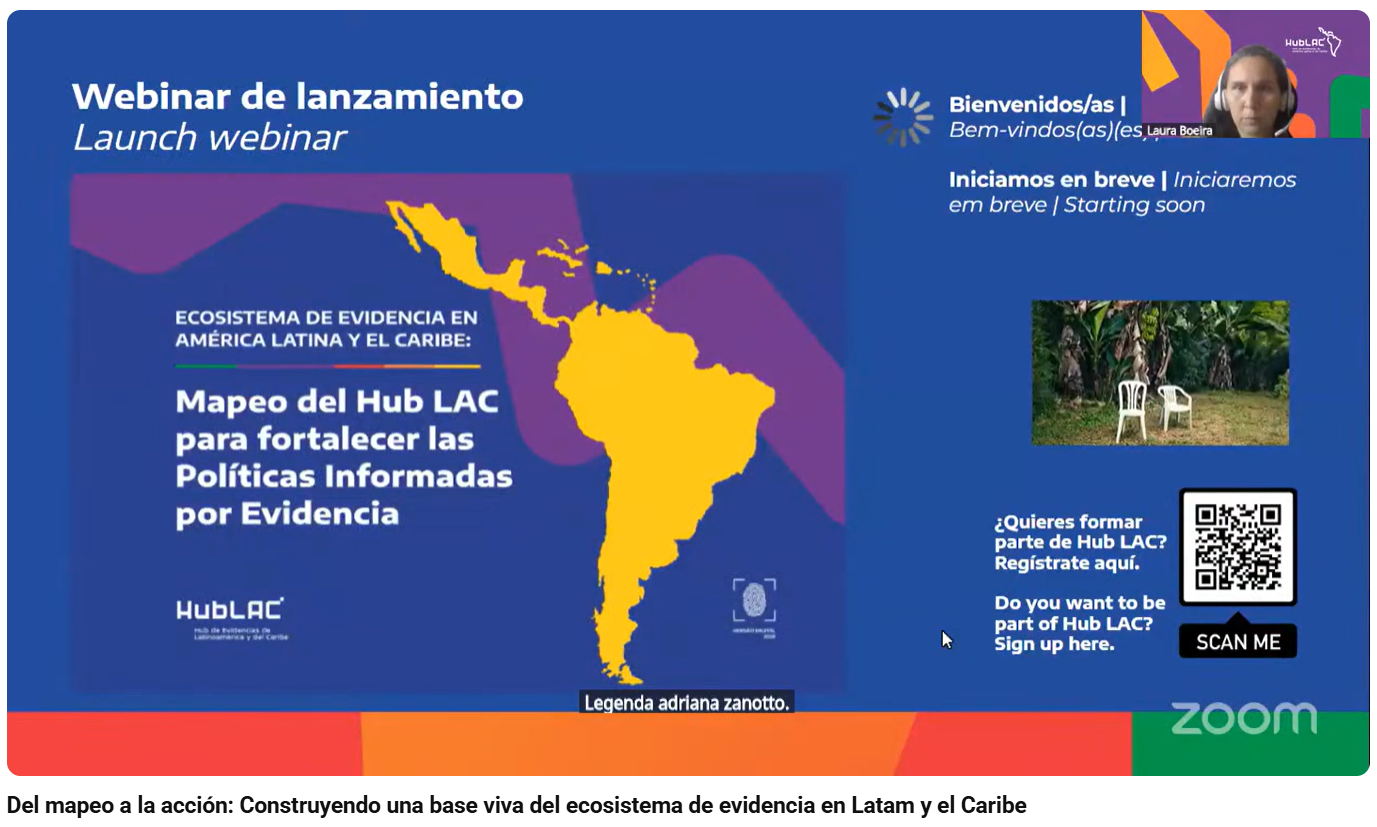
Webinar held on March 24 celebrated the launch of the regional evidence ecosystem mapping. The mapping included 123 respondents and highlighted the majority presence of representatives from South America, particularly Brazil and Colombia.
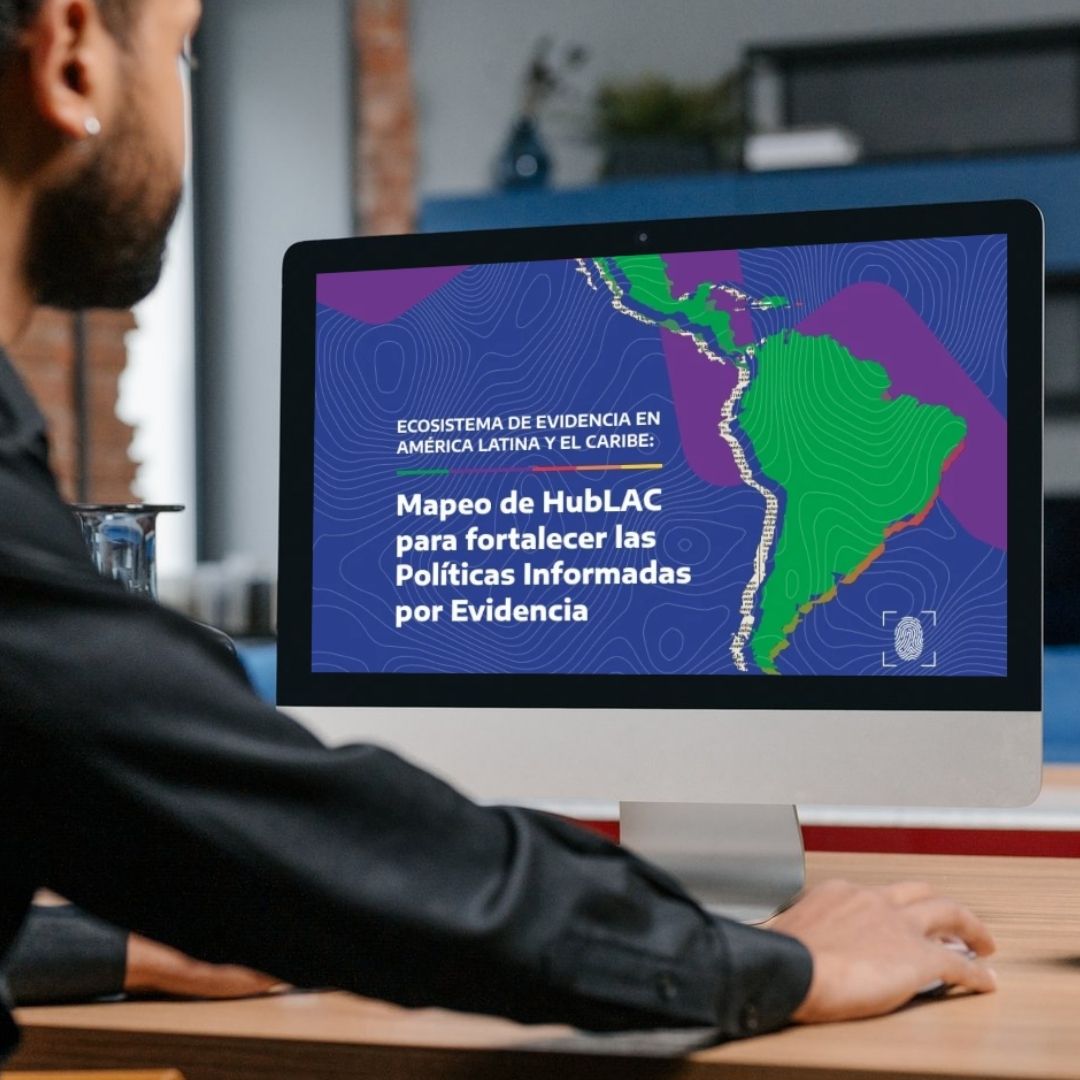
On Tuesday (03/24), the report “Evidence Ecosystem in Latin America and the Caribbean: HubLAC Mapping to Strengthen Evidence-Informed Policies” was launched during a virtual event hosted by the Evidence Hub of Latin America and the Caribbean (HubLAC), a network of which Instituto Veredas is a member.
The publication presents an unprecedented overview of who the main actors involved in the production, synthesis and use of evidence for public policy formulation in the region are, where they are located, and how they operate. The mapping also reveals structural challenges and collaboration opportunities to strengthen this ecosystem.
A collective effort to connect evidence and decisions
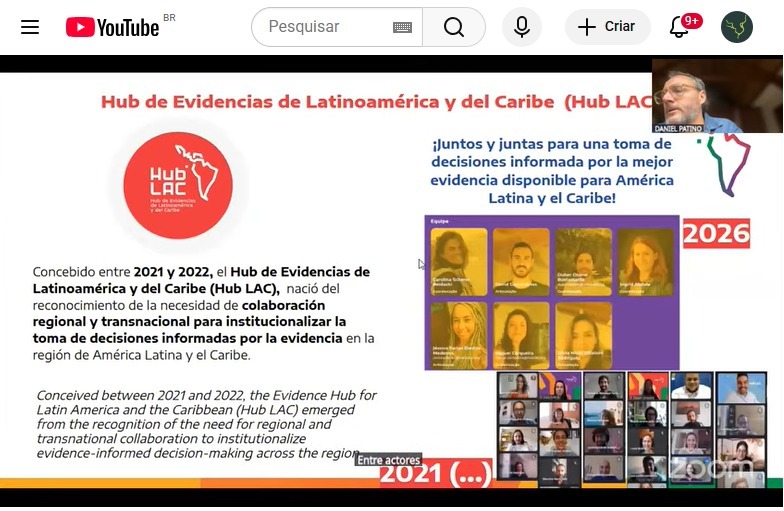
Hub LAC emerged in 2021 from the need to articulate a regional network capable of bringing together people, organizations and initiatives committed to decision-making informed by the best available evidence. As Daniel Patiño, a member of the Hub LAC leadership, emphasized, the mapping initiative recognizes the central role of individuals and institutions in this field. “This work shows who these actors are, what kind of work they develop and how they connect. It is an effort to understand how we can collaborate and how our efforts are advancing,” he states.
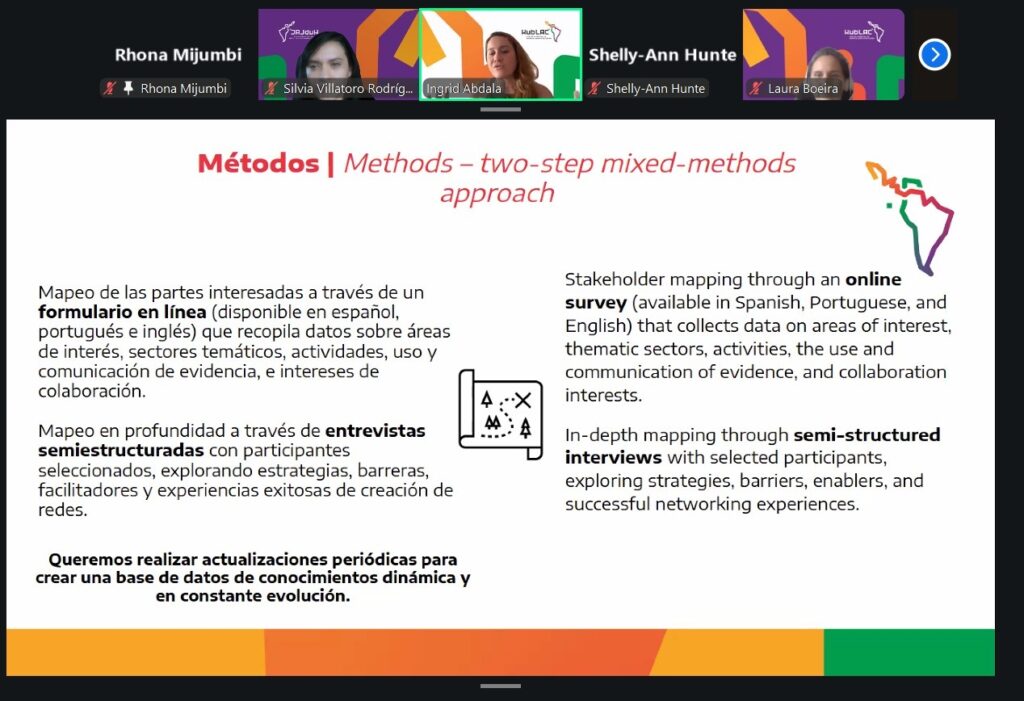
The Executive Director of Veredas, Ingrid Abdala, who also serves on the HubLAC coordination team, reinforced the strategic purpose of the publication. “This publication aims to map the actors who shape the use of evidence and policy formulation in Latin America and the Caribbean, generating knowledge that strengthens Hub alliances and guides the priorities that connect the regional ecosystem,” she adds.
Global trends in Evidence-Informed Policies (EIP) and the role of collaborative networks
In addition to the publication launch, Hub LAC organized a panel with international guests to discuss trends in the EIP field and the strength of collaborative network work.
Karla Soares-Weiser (Cochrane)Rhona Mijumbi (AEN)
The debate was moderated by Shelly-Ann Hunte, from the Caribbean Centre for Health Systems Research and Development — Trinidad and Tobago, who represents Hub LAC in the Caribbean. One of the central points of the debate was the need to expand the impact of evidence beyond academia. Shelly emphasized that the goal is to generate knowledge with real impact. “We seek to improve the process of using evidence to support decisions not only in the academic sphere, but also at the global level. We want to offer insights to policymakers,” she states.
A distributed ecosystem based on trust and collaboration
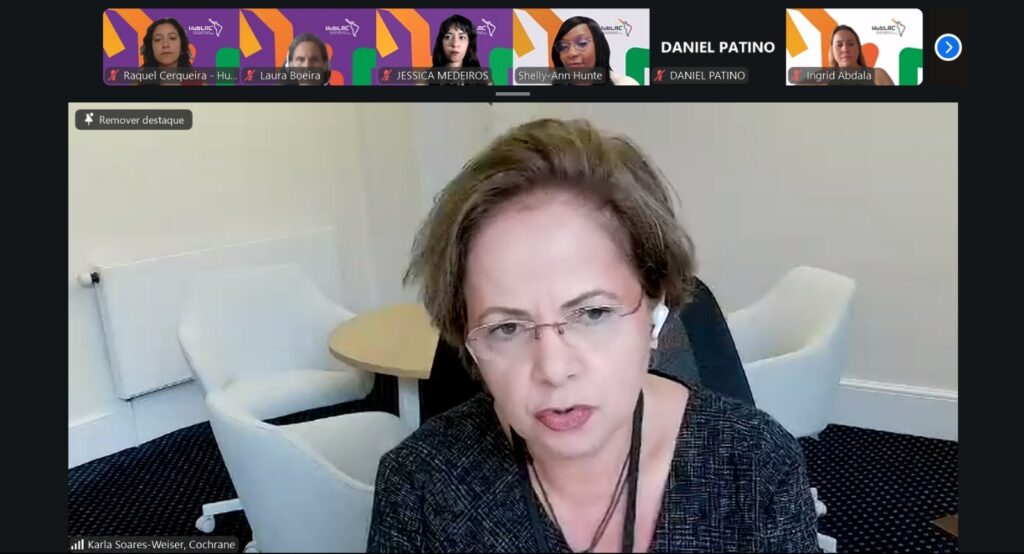
Building a more connected, diverse and trustworthy regional ecosystem was another central theme of the event. For Karla Soares-Weiser, Executive Director of Cochrane, the challenge lies in governance — not in centralizing, but in distributing capacities. “The challenge is not to be a centralized system, but a distributed ecosystem. Evidence should not be produced in a single place, but co-produced across different regions, closer to decision-making processes and the communities affected,” she notes.
She also highlighted the importance of sustainability — not only financial, but grounded in collaboration, sharing and responsiveness to the needs of end users: “I always think of an African proverb: ‘if you want to go fast, go alone; if you want to go far, go together.’ The question is not whether we can build a living evidence ecosystem, but whether we can work differently to make it possible,” she adds.
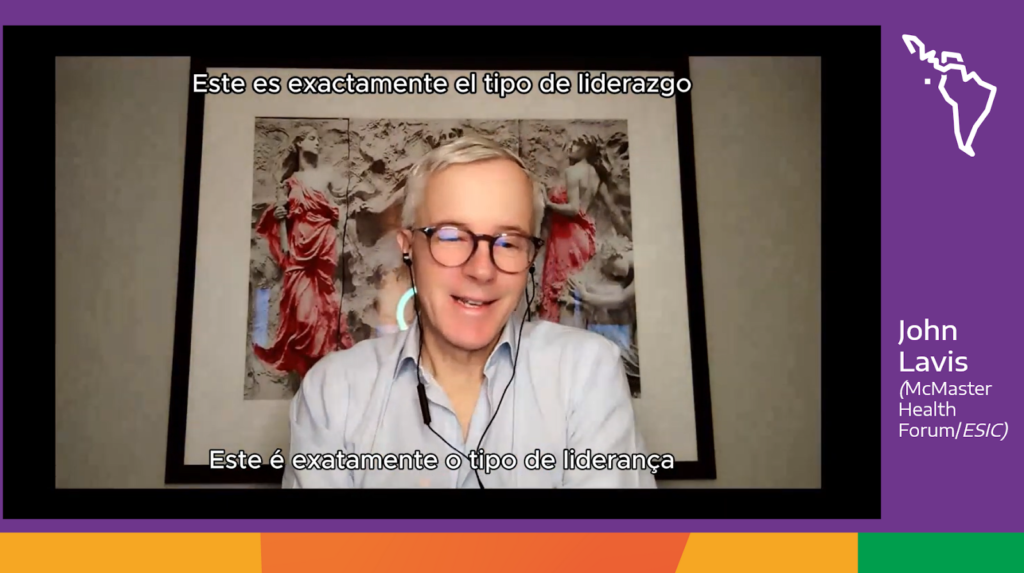
John Lavis (McMaster Health Forum/ESIC)
John Lavis, Director of the McMaster Health Forum (Canada) and advisor of ESIC/Wellcome Trust (Evidence Synthesis Infrastructure Collaborative), who contributed a video to the opening panel discussion, echoes Karla Soares-Weiser’s perspective. He also values the commitment to collective impact and acknowledges that “leaders from Latin America and the Caribbean have truly driven this approach,” expressing hope that the region will increasingly take on leadership roles within the ecosystem.
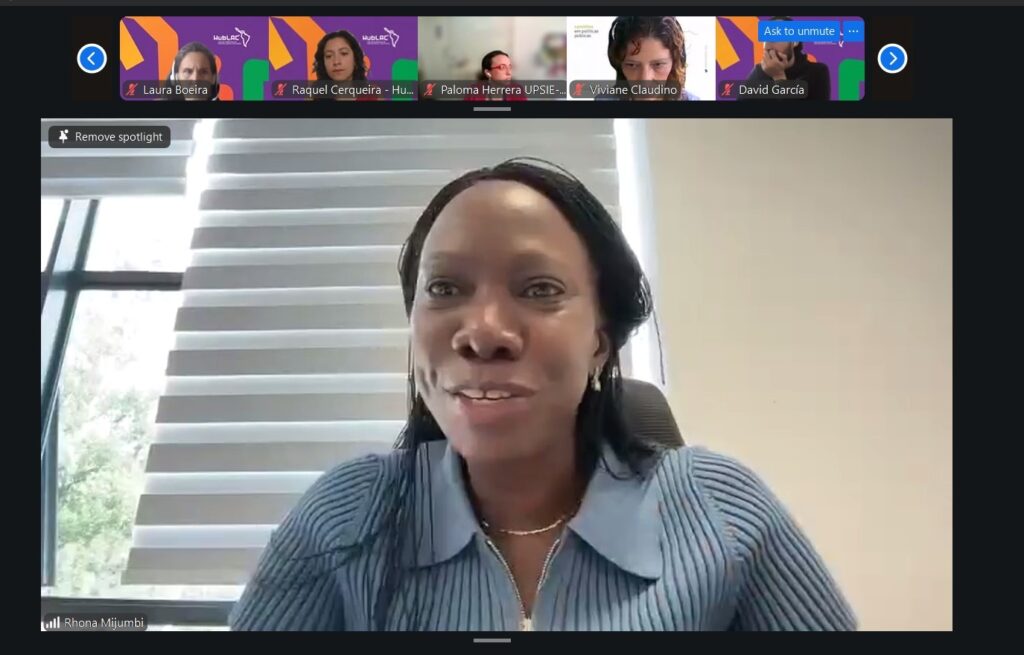
Rhona Mijumbi, President of the Africa Evidence Network, reinforces the need to strengthen the ecosystem: “The question is no longer just whether good evidence exists, but whether we have the institutions, incentives, relationships, capacities, standards and norms that allow that evidence to reach decision-making in a timely and reliable manner.”
She points to several paths forward following the mapping, such as addressing representation gaps — including through a multilingual approach —, developing a deeper understanding of the relationships between actors, and strengthening connections within the ecosystem: “The challenge lies not only in knowledge production, but in its conversion into use, which requires investment in brokering, translation and trust-building.”
The report notes, for example, that 84.5% of organizations act as evidence producers, while 64.2% also play the role of intermediaries in translating that knowledge for decision-making.
Institutional barriers and regional challenges
Despite the progress made, the mapping reveals significant obstacles. These include difficulties in accessing data, individual institutional barriers, as well as funding limitations and political challenges that affect the incorporation of evidence into public decisions. Among individual-level barriers, the report highlights the late inclusion of specialized profiles and the lack of adequate training, which leads to overlapping roles within teams.
Researcher Rhona Mijumbi, a member of the Africa Evidence Network, emphasized that the challenge is not merely having evidence, but ensuring the conditions for its use. “It is not just about having evidence, but about having the training and conditions for it to flow,” she notes, underscoring the need for inclusion and equity within the ecosystem — both in relation to the people involved and the types of knowledge considered.
Silvia Villatoro (University of Antioquia and Hub LAC) highlights that, at the organizational level, short-term funding is one of the greatest challenges, as it generates instability, making it difficult to maintain team continuity and engage in long-term planning. Furthermore, the misalignment between institutional and political timelines, compounded by slow bureaucratic processes, undermines the relevance of evidence.
Evidence connected to local realities
David García, from the University of Antioquia and Hub LAC, and one of the report’s authors, highlights the different relationships within the ecosystem: “The way evidence is produced, translated and circulated is also strongly mediated by the different relationships between people and the ecosystem in Latin America. For this reason, we organized the findings across three levels: individual, organizational and political-social.”
The mapping shows that the use of evidence in the region occurs largely through collaborative arrangements between government, academia and civil society. The experiences analyzed indicate that evidence is most effective when collectively constructed and adapted to specific contexts.
Raquel Cerqueira, from Hub LAC, noted that the information sources used are predominantly scientific, statistical and legal data; however, research in the region also incorporates texts and sources of popular and traditional knowledge. “This is especially important in Latin America and the Caribbean, where diversity demands more contextualized approaches, and the integration of different forms of knowledge contributes to richer analyses and responses more connected to local realities,” she observes.
Next steps
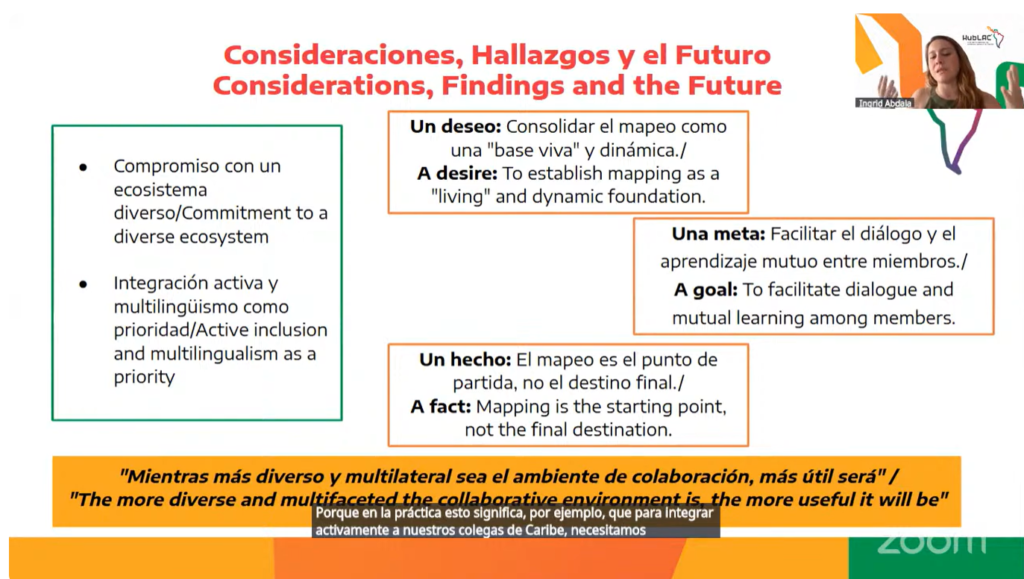
The report is presented as an initial “snapshot” of the ecosystem. Its primary objective is to facilitate dialogue and mutual learning among network members, creating a space where it is easy to know who is who, as well as to connect and collaborate. Among the next steps are the expansion of networks, the strengthening of funding alliances, and the development of strategies to make evidence more accessible and useful for decision-makers.
Hub LAC will launch the first mapping of the Evidence-Informed Policies ecosystem in Latin America and the Caribbean on 24/03. Join us!
The online event will take place on March 24, from 10am to 12pm (Brasília time), accessible in English, Spanish and Portuguese
About the event
The Evidence Hub of Latin America and the Caribbean (HubLAC) will launch, on March 24, the report “Evidence ecosystem in Latin America and the Caribbean: HubLAC mapping to strengthen evidence-informed policies”, an unprecedented diagnosis of the regional ecosystem of Evidence-Informed Policies (EIP) in the region. The online event will be from 10am to 12pm (Brasília time), accessible in English, Portuguese and Spanish. To participate, access the link and complete your registration.
Prepared with the participation of 123 people, including online survey respondents and interviewees, the document maps and characterizes organizations, networks and individuals who generate, synthesize, communicate or use scientific evidence to support the formulation of public policies in the countries of Latin America and the Caribbean.
The launch will include the presentation of the main results of the mapping by the authors of the study, followed by a debate on the challenges and opportunities for strengthening the evidence ecosystem in the region. There will be space for questions and contributions from the audience attending the broadcast.
“The result shows us that there is a movement in the region, that there are interested people and that we can build with this community actions to improve decision-making in our region, which is so urgent,” evaluates Veronica Osorio, founder of the Bloomsbury Policy Group and friend of HubLAC, during Evidence Week 2025, when preliminary results of the study were presented.
Debate
In addition to the launch and discussion of the results of the study led by Hub LAC, the webinar will feature a first debate titled: “Global trends in EIP and the role of collaborative networks”, with the participation of distinguished international guests in this field:
Karla Soares-Weiser (Cochrane)
Dr. Karla Soares-Weiser is the Chief Executive Officer of Cochrane, the world’s most trusted producer of scientific evidence. Appointed in 2025, she is leading Cochrane into its next phase with a focus on equity, collaboration, and collective impact. From 2019 to 2025, she served as Cochrane’s Editor-in-Chief, driving transformative changes in evidence synthesis and providing timely information to policymakers and governments worldwide. She also co-led the planning of the Evidence Synthesis International Collaborative (ESIC), supported by the Wellcome Trust. A psychiatrist and epidemiologist, Karla is committed to advancing health and equity through reliable evidence and global partnerships.
Rhona Mijumbi (Africa Evidence Network – AEN) Dr. Rhona Mijumbi is a public policy and scientific advisory specialist with extensive experience at the intersection of research, public policy, and global health systems. She currently serves as President of the Africa Evidence Network. She is also the Executive Director of the Centre for Rapid Evidence Synthesis (ACRES), Associate Professor of Public Policy at the Liverpool School of Tropical Medicine, and Head of the Policy Unit at the Malawi-Liverpool-Wellcome Research Programme. Dr. Mijumbi has led and contributed to major initiatives in Africa and globally in areas such as health systems, infectious diseases, climate and health, women’s economic empowerment, and pandemic preparedness.
Moderation: Shelly-Ann Hunte (Caribbean Centre for Health Systems Research | Hub LAC) Shelly-Ann Hunte is a Research Fellow at the Caribbean Centre for Health Systems Research and Development, within the Faculty of Medical Sciences at The University of the West Indies in Trinidad and Tobago. The Centre acts as an evidence intermediary in the region, facilitating connections between evidence producers and users. In her current role, she oversees initiatives aimed at assessing and strengthening evidence ecosystems, building capacity for knowledge translation, and promoting the institutionalisation of evidence-informed decision-making in the health sector and other social sectors.
Additionally, the event will feature a special video contribution from John Lavis (McMaster Health Forum/ESIC), with reflections on the topic under discussion.
John Lavis supports policymakers and stakeholders to harness research evidence, citizen values and stakeholder insights to strengthen health and social systems and get the right programs, services and products to the people who need them. He is Co-Lead of the Global Commission on Evidence to Address Societal Challenges, the COVID-19 Evidence Network to support Decision-making (COVID-END), and Rapid-Improvement Support and Exchange (RISE). He holds a Tier 1 Canada Research Chair in Evidence-Support Systems. He is Co-Director of the WHO Collaborating Centre for Evidence-Informed Policy and Professor in the Department of Health Evidence and Impact at McMaster University, as well as Adjunct Professor at the Africa Centre for Evidence at the University of Johannesburg.
“The initial mapping of the evidence ecosystem in Latin America and the Caribbean provides an in-depth diagnosis that, when interpreted strategically, reveals structural patterns, imbalances, and latent opportunities,” says Leopoldo Font, a friend of Hub LAC, international consultant in strategic planning and evaluation in Latin America, and former member of the academic and executive committees of the Latin American and Caribbean Monitoring, Evaluation and Systematisation Network (ReLAC), also in a testimonial during Evidence Week 2025.
Next steps
The mapping is part of a broader HubLAC strategy to strengthen networks, identify collaboration opportunities and promote the use of evidence in public policy formulation. The idea is to build a “living base” of knowledge about the regional ecosystem, which will be continuously updated and expanded.
About Hub LAC
The Latin America and Caribbean Evidence Hub is an initiative that brings together people, organizations and networks dedicated to promoting the use of scientific evidence in public policy formulation in the region. Inspired by experiences such as the Africa Evidence Network and the WHO EVIPNet network, Hub LAC works on identifying synergies, strengthening capacities and building bridges between knowledge producers and users.
Service
What: Launch of the report Evidence ecosystem in Latin America and the Caribbean: HubLAC mapping to strengthen evidence-informed policies
When: 24/03/2026, from 10am to 12pm (Brasília time)
Where: Complete your registration online
Languages: Event accessible in Spanish, English and Portuguese
Wellcome Trust has announced a global funding call of up to £1.9 million to establish evidence hubs. Applications open until 7 May
Wellcome Trust has announced a funding call to establish five new global evidence synthesis infrastructure hubs in low and middle income countries.
If you or your organization have experience in, or would like to work on, producing evidence syntheses for social policies, contributing to strengthening the use of Artificial Intelligence in decision making, this call is for you.
The call is part of the Evidence Synthesis Infrastructure Collaborative, an initiative launched in 2024 with a £45 million investment commitment to strengthen and modernize evidence synthesis production, making it faster, more accessible and more relevant for decision makers in public policies for social development.
The aim of the call is to support structures capable of producing evidence syntheses on a continuous basis, rapidly and with the strategic use of technologies, including Artificial Intelligence.
Location of the administering organization: low or middle income countries, excluding mainland China
Frequency: one off
Funding amount: £1.5 to £1.9 million, with 5 awards expected under this call
Funding duration: 3 to 5 years
Who can apply
The lead applicant or administering organization must be based in any country or region in the Global South, but the team may include researchers from any country, excluding mainland China. Teams must include between 4 and 8 members, combine expertise in evidence production and use, methodology, technology and policy making, and follow principles of equity and open science.
Each hub must operate in one of five sectors aligned with the UN Sustainable Development Goals
food systems
humanitarian assistance
economic growth
peace and effective institutions
social protection
At the same time, projects must have a clear connection to at least one of Wellcome’s strategic health priorities: 1 climate and health, 2 infectious diseases, 3 mental health or 4 discovery research.
Applications are encouraged from teams that
bring diversity of expertise and perspectives, with interdisciplinary collaborations covering multiple areas
include researchers at different career stages, from experienced professionals to early career researchers
Further relevant information about the profile and eligibility conditions is available on the official webpage.
Key dates
7 April 2026: deadline for scope check
7 May 2026: deadline for application submission, until 3 pm BST
June 2026: committee review
July 2026: decision
Informational webinar
On 18 March, the organization will host an informational webinar for potential applicants, with detailed information on eligibility, criteria and the submission process. Register here.
Hub LAC and Brazilian Coalition for Evidence database: connect with potential partners
The Evidence Hub for Latin America and the Caribbean, Hub LAC, and the Brazilian Coalition for Evidence are mobilizing key actors interested in forming regional hubs and collaborative applications for this call.
map interested organizations and professionals through a form available in three languages, Portuguese, Spanish and English
facilitate strategic connections among actors in Latin America and the Caribbean
How can you connect
The webpage functions as a public visibility window for organizations and professionals who have authorized the sharing of their information through the form.
Hub LAC and the Brazilian Coalition for Evidence do not provide intermediation or direct matchmaking among those registered. Our role is to make the submitted information transparently available.
Connections should take place autonomously and voluntarily, based on direct interest among professionals and organizations listed on the webpage.
Interested individuals can register through the form and access the database to connect with organizations and professionals, generating strategic collaborations for this opportunity.
Our expectation is that this space will strengthen the region’s presence in this global context of strategic investment in the future of evidence synthesis.
Hub LAC and CBE Communications
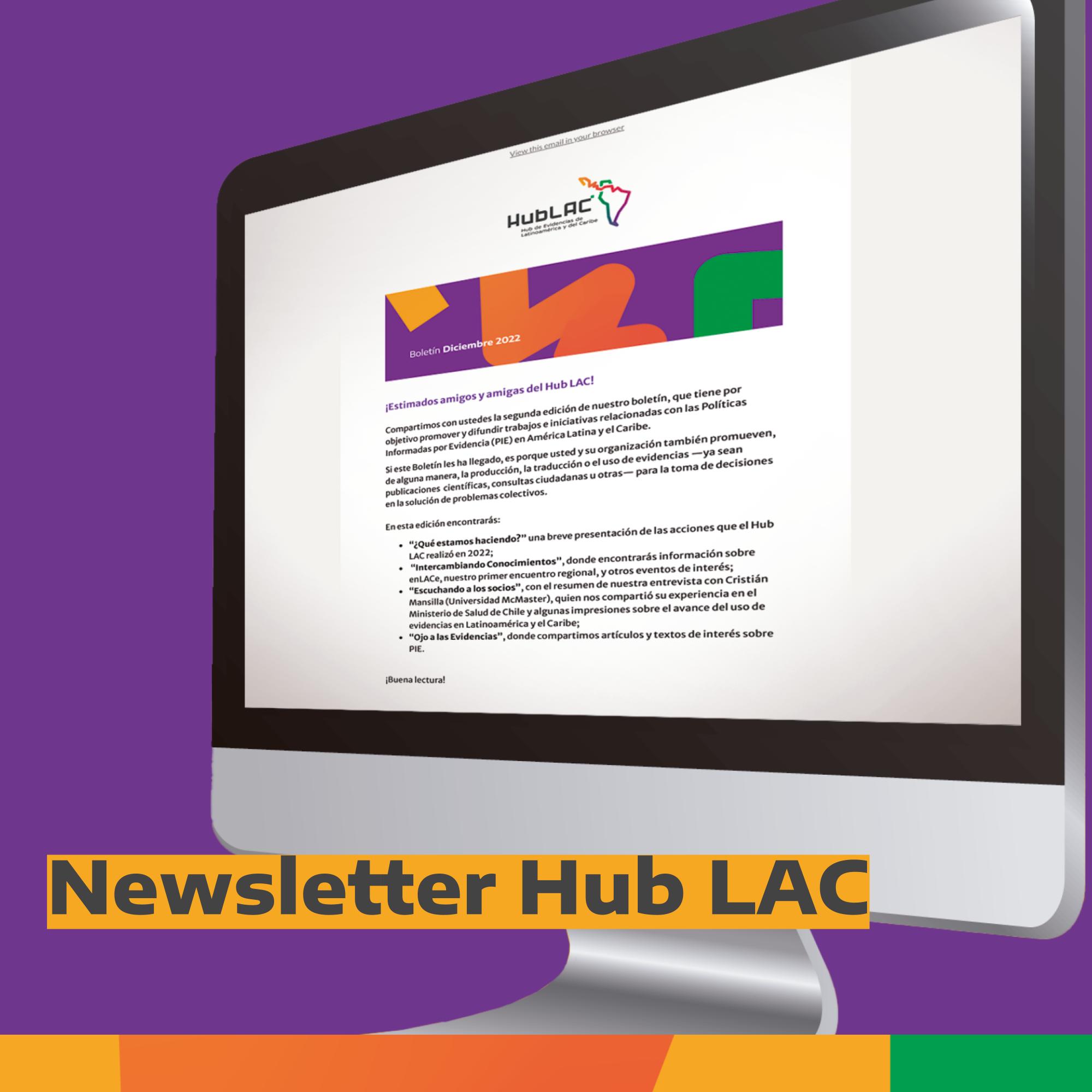
Hub LAC Newsletter (December 2025)
Colombian Network for Evidence and Policy Advocacy Celebrates Its First Year of Activities
Inspired by global networks, the initiative was created in 2025. It brings together academic institutions, government bodies, and civil society organizations with the aim of promoting more informed, contextualized, and collective well-being–oriented decision-making.
A network that recognizes the potential of using the best available evidence and of advocacy efforts from different sectors of society to support contextualized decision-making. This is how the Colombian Network for Evidence and Policy Advocacy presents itself to the world. The initiative was proposed by the University of Antioquia (UdeA), through the Vice Presidency for Research, the Unit for Evidence and Deliberation in Decision-Making (UNED) of the Faculty of Medicine, and the project to create the Policy Advocacy Support Unit of the National Faculty of Public Health.
With the support of the Latin America and the Caribbean Evidence Hub (Hub LAC) and the Evidence-Informed Policy Network for Health (EVIPNet/WHO), the Colombian network began its design process at the end of 2024, when the first public call for its formation was launched during the Seminar on Scientific Evidence and Policy Advocacy.
First year: meetings, articulation, and collective creation of the strategic foundations
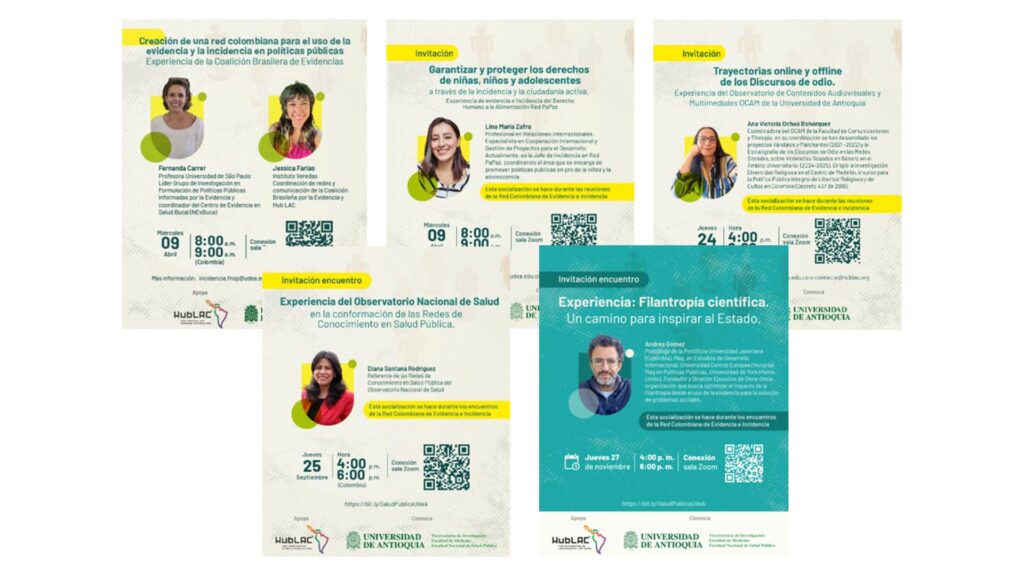
In 2025, the network structured its initial phase of activities and articulation through the organization of five virtual meetings, held every six weeks. In total, 108 people expressed interest in participating, and on average, 25 representatives from different sectors and regions of the country attended each meeting.
These spaces facilitated the exchange of experiences among national and international initiatives, including presentations from:
Brazilian Coalition for Evidence
RedPapaz (children’s and adolescents’ rights)
Observatory of Audiovisual and Multimedia Content (UdeA)
National Health Observatory of the National Institute of Health
Once-Once (scientific philanthropy)
Meetings held in 2025 by the Colombian Network for Evidence and Policy Advocacy
These interactions contributed to the development of the network’s strategic foundations, which are now available on the website of the National Faculty of Public Health at UdeA.
The network also had a presence at key events, such as Evidence Week (October 16, 2025) and the Policy–Science Interface Convention (October 28 and November 13, 2025).
Subtitle: some of the events held in 2025 by the Colombian Network for Evidence and Policy Advocacy
How does the Network work?
Organizations dedicated to the generation, synthesis, communication, or use of evidence, as well as those focused on policy advocacy, may join the network. Its functioning is guided by principles such as interdisciplinarity, plurality, transparency, social responsibility, equity, collaboration, and the absence of conflicts of interest.
The Network’s governance currently includes a facilitation team, which meets once a month and is responsible for coordinating the strategic direction, organizing meetings, and facilitating collaborative work. Through planning meetings, the team works closely together to advance the network’s strategic objectives. Anyone interested may participate in this team.
Based on the collective construction of its foundations, the network structured five strategic lines: capacity-building, stakeholder articulation, communication and dissemination, research and innovation, sustainability, and resource management.
According to María Paulina, Policy Advocacy Officer at the National Faculty of Public Health and a member of the Network’s Facilitation Team: “The meetings were divided into two parts: in the first, we learned about an experience that connected evidence with public policy, along with shared learnings. In the second part, we began working on planning our network through guiding questions and online dynamics. The major achievement of this year was this strategic foundation. Reaching a collective agreement among so many people on objectives, principles, and lines of action is, for me, very significant.”
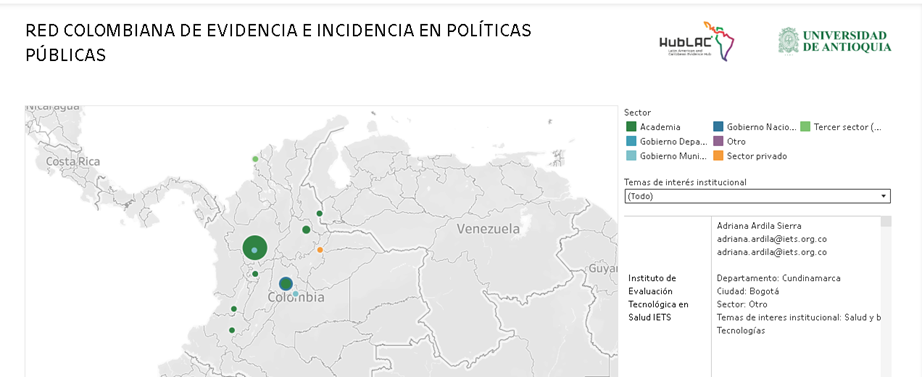
In this way, the network also established an open-access knowledge and evidence management approach, resulting from a collaborative and inclusive construction that is rigorous and of high quality, as well as timely and relevant for decision-making. Among the resources already proposed are a participant directory and a website presenting the initiative’s strategic foundations.
Challenges and next steps
The main challenges for 2026 include increasing participation in meetings and developing a work plan that responds to the expectations and interests of the network’s diverse members.
A national planning meeting is scheduled for early next year.
The form for submitting ideas and proposals for the work plan also remains open here.
Evidence in focus: Featured Publications in 2025
Evidence and Deliberation Unit for Decision-Making (UNED) – COL
Academic Record (UDEA / UNED): The Evidence and Deliberation Unit for Decision-Making (UNED) of the Faculty of Medicine at UdeA developed a scoping review on the detection of human trafficking in healthcare settings. [Access here]
WHO (World Health Organization)
News/Press Release (WHO): WHO and its partners refine the global map of tools to assess scientific advisory systems. (Date: 22-10-2025). [Access here]
Global Research Agenda: Initiative led by WHO to identify and define research priorities. The ultimate goal is to present a Global Agenda based on consensus among the different participants in the ecosystem, promoting impactful research on Knowledge Translation and EIP (Evidence-Informed Policy), as well as strengthening links between research and public policy. [Access the official page here]
MIDIS (Ministry of Development and Social Inclusion of Peru)
Impact Evaluation Report (Year 2024): Impact evaluation of the Day Care Service of the National Program Cuna Más on Early Childhood Development, 2018-2022. [Access here]
Evaluation Report (Year 2025): Evaluation of the Transfer for Secondary Education (TAS) of the JUNTOS Program on education outcomes. [Access here]
Report (Year 2025): State of the Sector Report 2025. [Access here]
CAPRI (Caribbean Policy Research Institute)
Publication (Scorecard, Year 2025): Education Scorecard 2025: Assessing the Present, Guiding the Future. [Education Scorecard 2025]
Publication (OneCity Consortium Report): Who Gets What? Mapping Rights, Access, and the Future of Jamaica’s Cities. [OneCity report]
Acción Pública (Colombia)
Web Platform/Initiative: The “Alliances for Care” initiative by Acción Pública aims to design and implement pilot models of Public-Community Alliances (APCC) in Bogotá, Colombia. [Access here: http://accionpublica.co/cuidado]
Mexico
Scientific Article: Changes in the use and understanding of the Mexican front-of-pack warning labeling system, Ensanut 2021-2024. Published in the journal Salud Pública de México. [Access here]
Scientific Article: Product reformulation in non-alcoholic beverages and foods after the implementation of front-of-pack warning labeling in Mexico. Published in the scientific journal PLOS Medicine. [Access here]
Course: Buenos Aires Legislature
Online Course on Evidence-Informed Policy: The Evidence-Informed Policy Version 2.0 course was specially designed for legislative advisors involved in drafting bills, but it is open to anyone interested in incorporating tools to make better public decisions. The next edition is scheduled for March 2026. [Access the program here]
Summary:THE POLICIES WE LIVE. Experiences and reflections on science and technology in Latin America and the Caribbean. Conversatory presented at the Evidence Week 2025. Authors: Valeria Barrios Páez, Josefina Moya Hansen, David Romero Abad, Juan Israel Ambrosio Melgarejo, Jessica James Leon, and Carlota Galván Escajadillo. [Access here]
Evidence Week 2025: 13–17 October – A regional space to listen, innovate, and transform the use of evidence in public policy
08/10/2025 – The Evidence Hub of Latin America and the Caribbean (Hub LAC) and On Think Tanks (OTT) are pleased to announce the launch of a new edition of Evidence Week, taking place from 13 to 17 October 2025. The initiative will bring together professionals, organisations and institutions committed to strengthening evidence-informed public policy (EIP) across the region.
Under the theme “Evidence-Informed Policy in Motion: Listening, Innovating, and Transforming”, Evidence Week 2025 will offer a diverse and collaborative space to share experiences, foster learning, and debate the role of evidence in decision-making in a world shaped by misinformation, multiple crises, and rapid technological change.
This year’s programme includes nearly 30 events organised by more than 40 institutions, including think tanks, universities, civil society organisations, public agencies, and international organisations, across nine countries in Latin America and the Caribbean. Most activities will be held online, with sessions in Spanish, Portuguese, and English, enabling diverse audiences to participate from different parts of the world.
“This week is a unique opportunity to connect those who generate, use, communicate, and fund evidence, and to imagine together how we can strengthen and innovate decision-making processes in our contexts,” said Carolina Beidacki from the coordination team at HUB LAC.
Meanwhile, Enrique Mendizabal, Founder and Director of On Think Tanks, highlighted that “Evidence Week demonstrates the value of collaboration across sectors and territories. Each edition expands the community working to advance evidence-informed policy and brings us closer to a future where decision-making is more inclusive, effective, and sustainable.”
In addition to serving as a meeting point for those working in the field of evidence, the Week aims to bring these discussions to new audiences and to strengthen a regional community committed to more inclusive, effective, and sustainable policymaking.
The full programme, which includes conferences, panel discussions, workshops, debates, and case presentations, also features additional activities taking place throughout the month to further advance evidence-informed policymaking in the region. The full calendar is now available on the official website: https://semanadelaevidencia.org.
About Evidence Week
Evidence Week is organised by On Think Tanks (OTT) and the Evidence Hub of Latin America and the Caribbean (Hub LAC), an initiative established in 2022 to promote connections and strengthen the use, production, and brokerage of evidence in social policy decision-making in the region. This year, Evidence Week is supported by an organising committee that is helping to expand outreach and enhance the impact of the programme.
Hub LAC Highlights Latin American and Caribbean Experiences at Evidence 2025
Event held for the first time in West Africa strengthens South-South cooperation and explores the art and science behind evidence-informed public policy
From September 30 to October 2, Veredas’ Executive Director, Ingrid Abdala, and Laura Boeira, Head of Partnerships and Networks at the Institute and Director of Hub LAC, took part in Evidence 2025 — the leading African conference on the use of evidence in public policymaking.
The event, held in Cotonou (Benin), was a joint initiative by the African Center for Equitable Development (Aced) and the Africa Evidence Network (AEN). It marked a milestone as the first edition hosted in West Africa, aiming to create a space for dynamic exchange, mutual learning, and co-creation of evidence-informed actions across the African continent and beyond.
Under the theme “Engage, Understand, Impact”, Evidence 2025 brought together around 200 policymakers, researchers, professionals, and civil society representatives to foster collaboration and evidence-informed decision-making across Africa.
Hub LAC Experience: Mapping Actors in Evidence-Informed Policymaking Across Latin America and the Caribbean
Representing Hub LAC, Ingrid Abdala joined the panel “HubLAC Mapping: Building a Living Knowledge Base to Strengthen Evidence-Informed Policymaking in Latin America and the Caribbean” to share learnings and some preliminary results from the Hub LAC Mapping 2025.
The initiative aims to map individuals and organizations that are part of the Evidence-Informed Policy (EIP) ecosystem in the region. This mapping is the first step in a broader research effort that will culminate in a report to be released at the end of this year. Its goal is to better understand who is promoting the use of evidence in policymaking, as well as to strengthen and update the Hub LAC’s collaboration network.
Ingrid highlighted the diverse and hands-on event program, which included discussions on leadership, evidence governance, mentoring, and sessions dedicated exclusively to training.
“It was a very special and timely moment to present our results, especially because we were in Benin, a Francophone country. People were very interested in the data and in what we are building, which created a very positive connection. From that exchange came the opportunity to share our materials so that, once translated, they can carry out a similar mapping in their region. This experience was not only enriching but also important for the Hub, since French is still an area we need to strengthen. As we don’t yet have the form available in that language, thinking about translating it could open new opportunities for collaboration with Francophone countries in Latin America and the Caribbean, expanding the reach of the mapping.”
Evidence Week 2025
Next week, from October 13 to 17, the Semana de la Evidencia – Evidence Week 2025 – will take place — a decentralized platform featuring a wide range of events focused on strengthening Evidence-Informed Policies through experiences from Latin America and the Caribbean.
Under the theme “Evidence-Informed Policies in Motion: Listening, Innovating, and Transforming”, Evidence Week 2025 offers a diverse and collaborative space to share experiences, generate learnings, and discuss the role of evidence in decision-making in a world shaped by misinformation, multiple crises, and technological transformation.
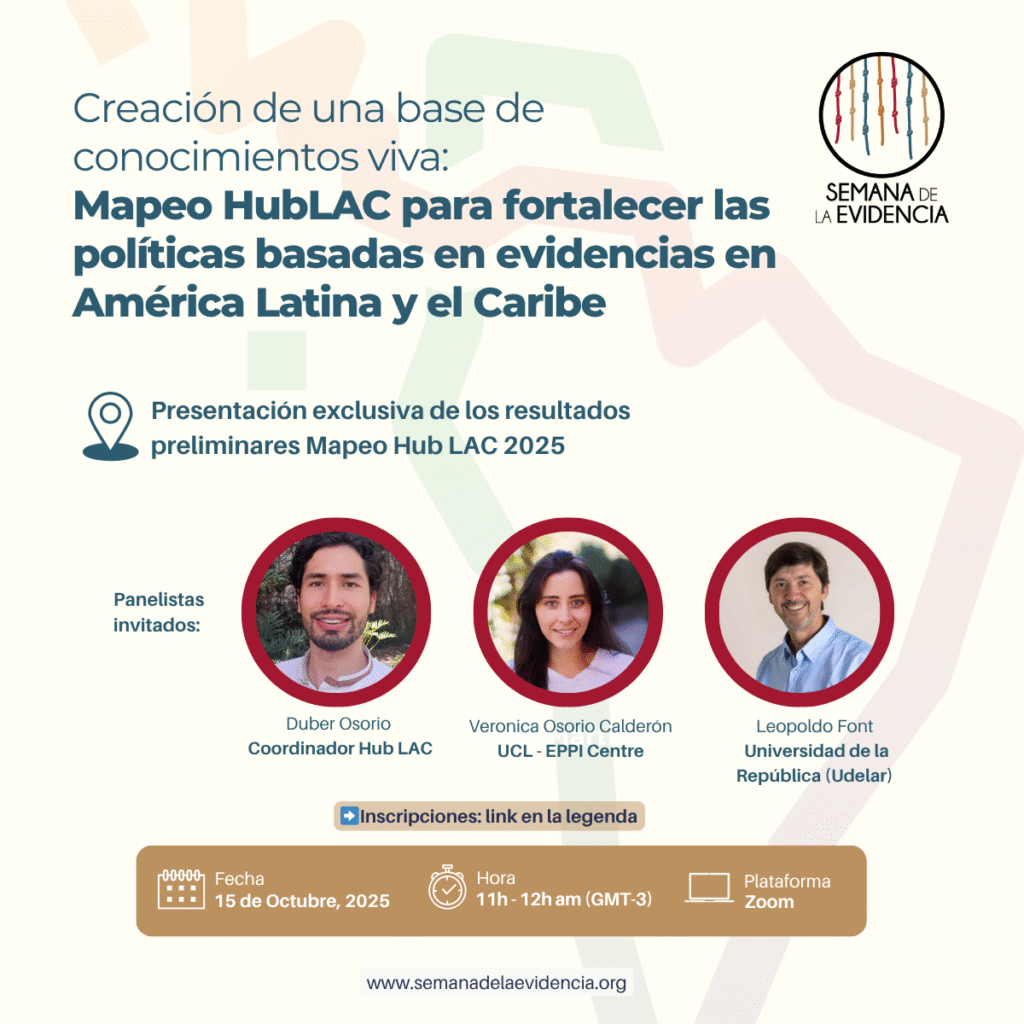
On October 15, we will officially launch theHub LAC Mapping. Inspired by PACE and EVIPNet, the initiative seeks to provide a clearer picture of the actors, their capacities, and existing gaps — as well as to promote collaboration opportunities, resource mobilization, and a more inclusive use of evidence in public policy.
South Africa: Hub LAC participates in international conference for global consensus on Evidence-Informed Policies
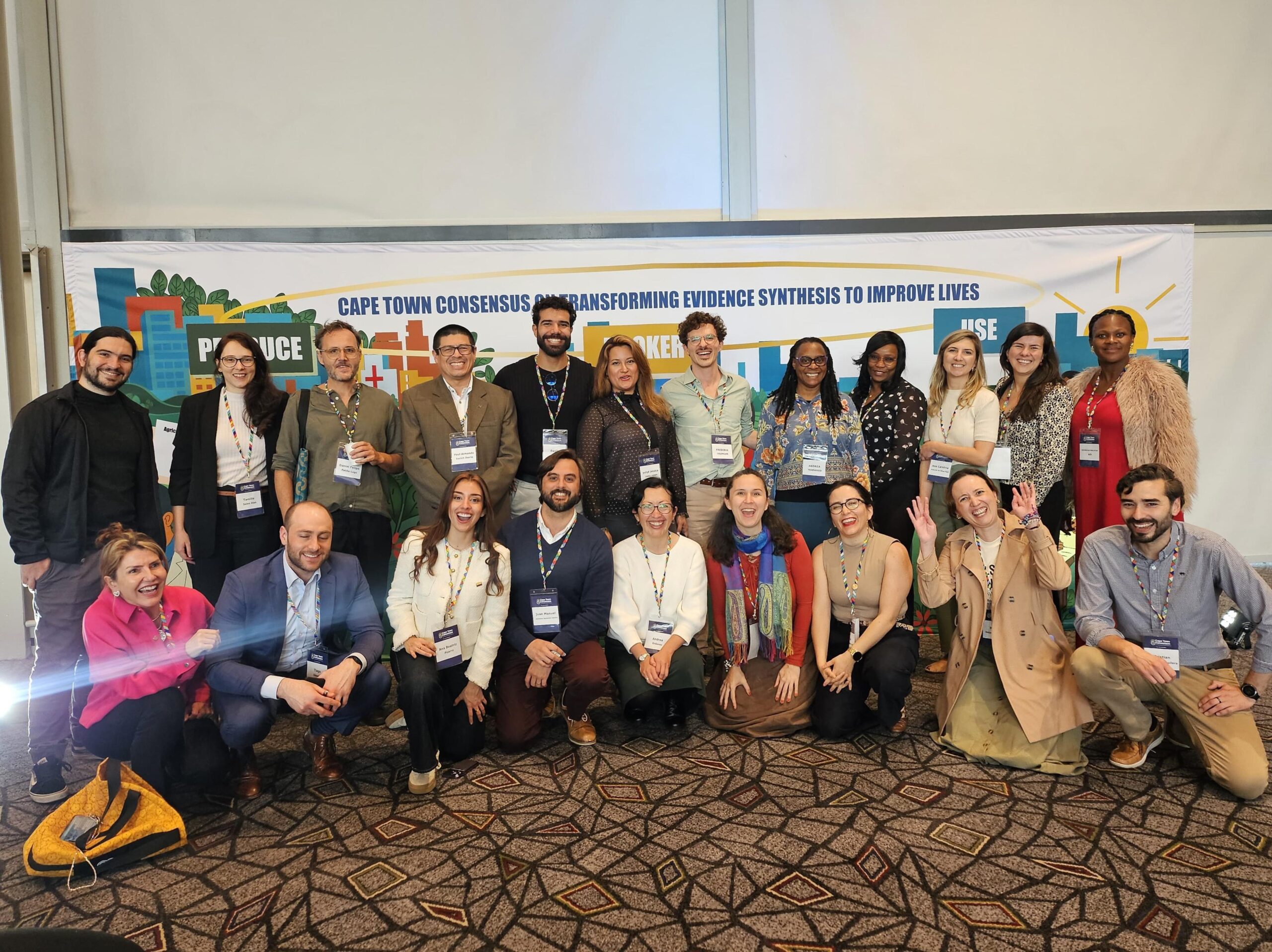
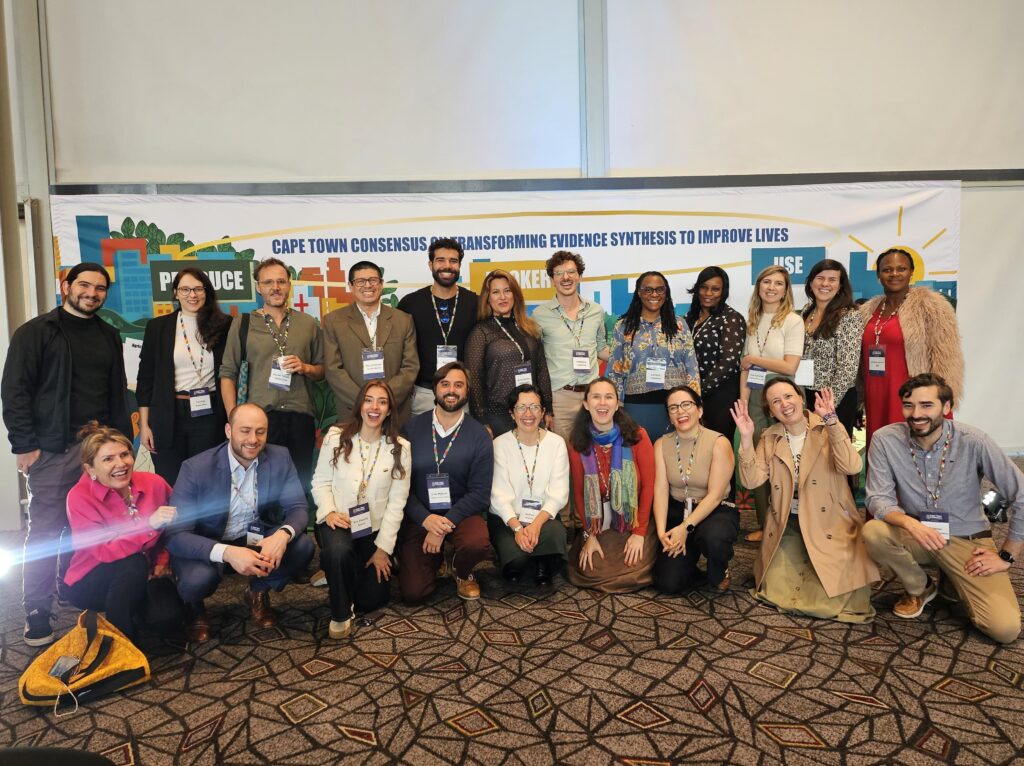
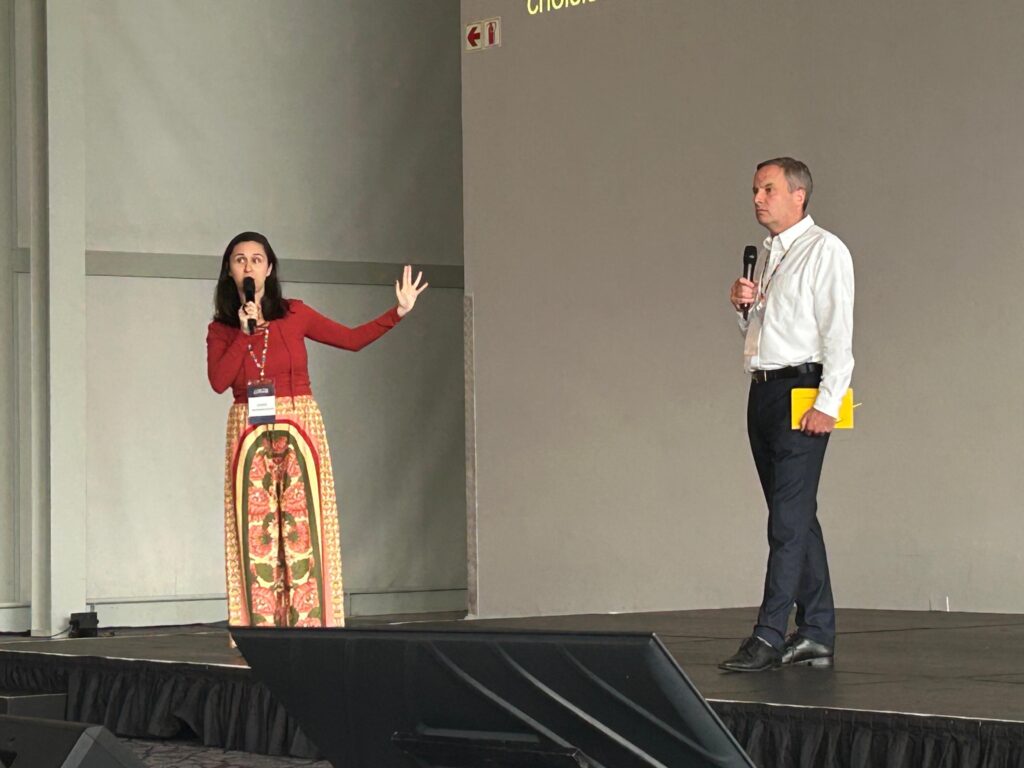
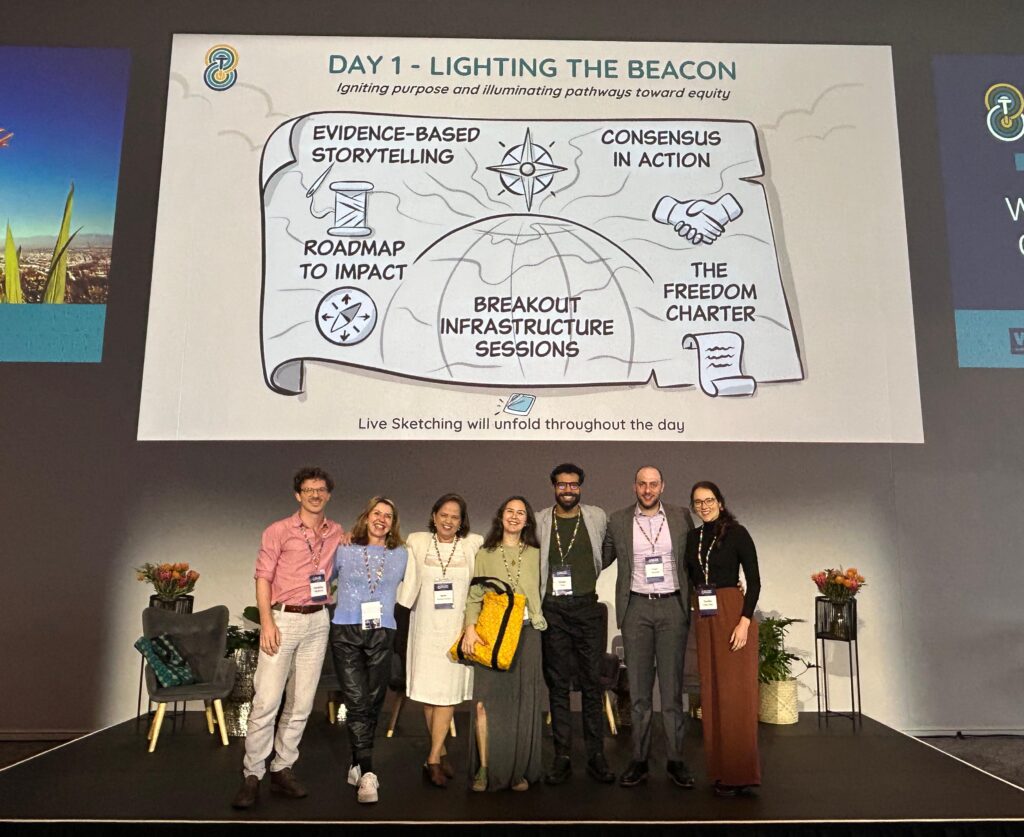
Hub LAC and Instituto Veredas actively participated in the Cape Town Consensus, an international event held in Cape Town, South Africa, from June 23 to 27. The meeting marked a historic moment for the global ecosystem of Evidence-Informed Policies (EIPM).
Organized by the Pan-African Collective for Evidence (PACE) and the African Centre for Evidence Synthesis (ACRES), the event brought together representatives from various countries and institutions to discuss and build a Collaborative Evidence Synthesis Infrastructure (ESIC Roadmap), aimed at shaping more effective, fair, and data-informed public policies.
Representing Instituto Veredas were Laura Boeira, Executive Director, and Danilo Castro, Communications Coordinator. “The ESIC Roadmap is the final document validated at this event, but it was the result of work that began six months earlier. From now on, we will guide investments toward this global evidence synthesis infrastructure, especially by strengthening leadership from the Global South in these initiatives,” said Boeira.
For Danilo, who also works in the field of social participation in Brazil, the event was an opportunity to contribute with a focus on citizen oversight. “We took part in working groups where we were able to share insights on evidence communication and, above all, on the relationship between the evidence ecosystem and public policy councils, drawing from Brazil’s experience with our Social Participation System, which is highly respected around the world,” he said.
Structured funding
For the first time, the world now has a structured global funding initiative to integrate and strengthen the different actors working in this field. The project has an initial budget of £45 million (approximately R$325 million), provided by the Wellcome Trust, a UK-based institution that supports scientific research. This investment will be used to develop structures, platforms, and collaborative networks that facilitate the use of evidence in public decision-making, with a special focus on contexts of high social and institutional inequality over the next five years.
The strength of the Global South
The participation of the Global South — including Africa, Latin America, and the Caribbean — was one of the highlights of the event. These regions are expected to play a direct role in the governance of the process. The initiative represents a paradigm shift in the international debate, decentralizing knowledge production and promoting greater equity in evidence-informed policymaking. “We have much to learn, but also much to teach and share about what we’re doing here,” said Tamille Dias, General Coordinator of Evaluation and Evidence at Brazil’s National School of Public Administration (ENAP), who also attended the event.
Veredas, known for its work with the Brazilian Coalition for Evidence and the Latin America and Caribbean Evidence Hub (HubLAC), participated in strategic discussion groups and facilitated activities at the conference. The Institute’s active presence reinforces Latin America’s leadership in the international agenda for more transparent, data-driven policies that respond to the real needs of the population.
Spotlight on Brazil and Latin America
Representing Hub LAC were Daniel Patiño (UNED), Verónica Osorio (EPPI Centre), and Lucy Kühn Barrientos. Other Brazilian leaders also took part, including Frederik Dejongue from Insper; Luciane Cruz from the University of Sorocaba; Karla Soares from Cochrane; Tiago Siqueira from Hospital Albert Einstein; and Ana Carolina Paci from the Global Compact.